While uncertainty remains at the centre of the global economic landscape, the government is taking bold and decisive action to protect Ontario from the impacts of U.S. imposed tariffs on the provincial economy, including key sectors such as automotive, steel and forestry. The government is fighting for Ontario workers and businesses by ensuring they have the supports needed to weather these challenges and creating opportunities for long-term sustainability and job creation in growth-ready sectors.
The government acted quickly to protect Ontario from these impacts and has announced nearly $30 billion in relief and support for workers and businesses since April 2025, including measures to build long-term resiliency and prosperity. Initiatives such as the Protect Ontario Financing Program (POFP), the Trade-Impacted Communities Program (TICP), tax deferrals for businesses and transitional support for laid-off workers help protect Ontario by creating greater stability and support for businesses and workers today, while building long-term growth and resiliency for tomorrow.
Supporting Businesses Through the Protect Ontario Financing Program
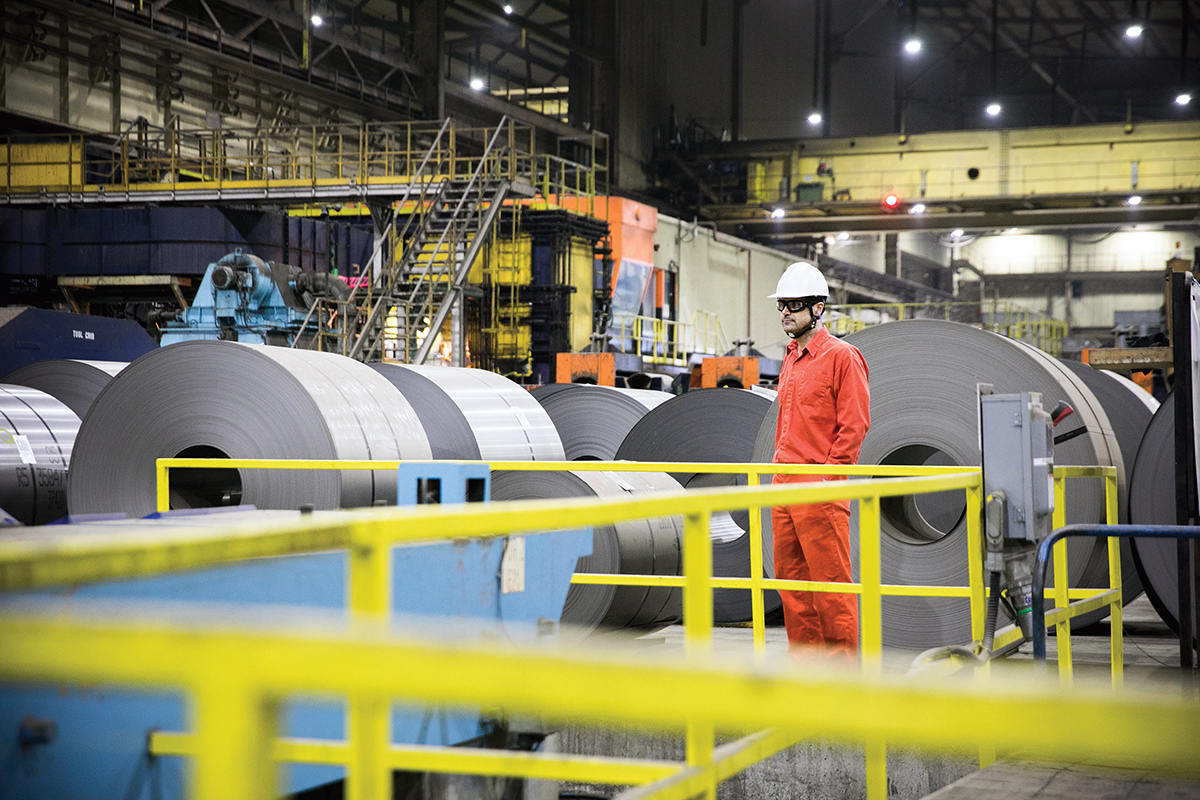
As part of the government’s strategy to protect Ontario’s key industries from the impacts of U.S. tariffs, the province quickly established the Protect Ontario Financing Program to provide targeted working capital support. Working in partnership with the federal government, Ontario announced a $500 million joint investment to help Algoma Steel navigate changing market conditions and the impacts of U.S. tariffs.
The province is providing a $100 million loan, complementing $400 million from the federal Large Enterprise Tariff Loan (LETL) facility, to ensure Algoma has the liquidity and flexibility needed to remain a key source of jobs and economic activity in Northern Ontario.
The Protect Ontario Financing Program is being delivered with rigorous oversight and a strong focus on integrity. The government has accelerated reviews by allowing companies to complete multiple due diligence processes simultaneously, speeding up support while maintaining high standards of scrutiny and responsible stewardship of public funds. Continued work in this area remains essential. Potential U.S. trade disruptions, including new tariffs, could increase financial pressures on companies in Ontario and spike demand for the program. Sustaining and advancing this work ensures Ontario remains prepared to protect critical sectors amid shifting cross-border conditions.
Investing in Ontario’s Future Economy with the Protect Ontario Account Investment Fund
Global economic conditions are becoming increasingly dynamic and the province must evolve to address that volatility. The government is taking deliberate steps to position Ontario’s economy for long-term growth and resilience. Recent investments to unlock critical mineral resources in Northern Ontario are strengthening the province’s role in emerging global supply chains. These investments are fortifying a critical segment in the supply chain by adding to Ontario’s domestic manufacturing capacity.
Building on this momentum, the province is advancing a new initiative to diversify Ontario’s economy, enhance productivity, increase independence from U.S. trade relationships and reduce exposure to external economic uncertainty. While traditional sectors will continue to play a vital role, there will be a deliberate focus on investments to support the new economy. These investments will be anchored in resilience, innovation, advanced industries and emerging technologies that will fortify Ontario’s existing economic base. Building a pathway to sustained economic growth will require deeper capital formation, and greater alignment between public policy objectives and private investment activity.
Building on the Protect Ontario Account announcement in the 2025 Budget, and later the 2025 Ontario Economic Outlook and Fiscal Review, the province is establishing the Protect Ontario Account Investment Fund, a fund in which the province will invest up to $4 billion, and partner with a best-in-class private investment manager. This fund will identify and execute on a pipeline of investment opportunities to advance Ontario’s long-term economic and strategic priorities. The province has initiated a competitive process to partner with an investment manager capable of delivering on investments that advance Ontario’s strategic policy goals.
The fund will be structured to operate as a commercial market fund, with capital deployed by an independent, private-sector General Partner. The fund will leverage the provincial seed commitment to help crowd in Canadian pension fund capital and other major investors, to multiply the total fund size and encourage investment in Ontario. Ontario will act as a founding and significant investor anchoring a large private-market fund of domestic and global institutional capital to generate an economic return. The province will gain access to a private-market investment manager to leverage private-sector expertise, capital, market discipline and global networks, while retaining a prominent position to ensure investments deliver a clear benefit to Ontario taxpayers.
The province’s role as a Limited Partner will promote and maintain strong public governance and accountability while capitalizing on private-sector expertise, innovation and a focus on generating a return on investment. Drawing on an experienced private-sector investor, the fund will leverage proven investment strategies to enhance productivity and create jobs. By accelerating the development of strategic sectors and reinforcing domestic supply chains, the fund will attract capital from multiple sources, unlocking investments in Ontario that would otherwise not be deployed at scale. This approach will allow Ontario to harness market discipline and global networks to deliver tangible benefits for the province’s economy and its people.
This approach reflects an evolution in the relationship between government and the private sector. Adding to the ecosystem of successful, traditional investment attraction programs, the fund adds a new element of support and positions capital allocation as a core economic policy tool. Capital as a policy tool enables Ontario to act at market speed, share risk with private investors and build durable assets aligned with provincial priorities. Over time, this model is intended to improve economic resilience, create jobs, enhance competitiveness and support sustainable growth across the province.
Assisting Communities and Industries Impacted by Trade Disruptions
The province continues to respond to the impacts of U.S. tariffs and global economic uncertainty, by ensuring communities and local industries get the support they need to navigate these economic challenges through the Trade-Impacted Communities Program. The $40 million program supports local projects that promote economic resiliency, increase export and investment opportunities, as well as bolster Ontario’s strategic priority sectors and their supply chains. Eligible applicants include municipal governments, economic development organizations, business accelerators and incubators, as well as sector or industry associations. Applications for funding under the program are currently being reviewed.
Protecting Ontario with the Buy Ontario Act
In December 2025, the Ontario legislature passed the Buy Ontario Act (Public Sector Procurement), 2025, a key piece of legislation designed to protect the province’s workers and businesses by prioritizing Ontario goods and services across all public-sector procurement. The Act strengthens the province’s economic resilience by requiring public-sector organizations — including ministries, agencies and designated broader public-sector entities that are delivering Ontario’s more than $210 billion capital plan — to prioritize Ontario, and then Canadian, goods and services whenever feasible.
The government is working with municipalities and the broader public sector to ensure their fleet vehicle purchases and capital projects also support local workers and industries, starting this spring. Introduced in response to escalating U.S. tariffs and economic uncertainty, the Act provides the framework to deliver on the government’s commitment to ensure Ontario tax dollars support Ontario workers and industries, including sectors such as steelmaking, forestry, automotive manufacturing, agriculture and construction. The legislation has enabled the government to prioritize Ontario goods and services, while still maintaining value for money for Ontario taxpayers and protecting major infrastructure projects from undue delays.
As a first step under the new Buy Ontario Act (Public Sector Procurement), 2025, Ontario established a new directive to prioritize made-in-Ontario vehicles for fleet purchases, and Ontario and Canadian goods and services in capital infrastructure procurements. To uphold these requirements, the government is looking at measures to monitor compliance of public-sector organizations and vendors, and potential penalties could include holdbacks, vendor performance management measures, and, when necessary, even barring vendors from future procurement opportunities.
At the same time, the government is actively working to strengthen Ontario’s domestic capacity to minimize reliance on foreign supply chains. This includes developing vendor lists of Ontario and Canadian suppliers to support their participation in the provincial procurement processes, thereby ensuring more opportunities for local businesses and workers across Ontario.
Protecting Ontario’s Auto Sector
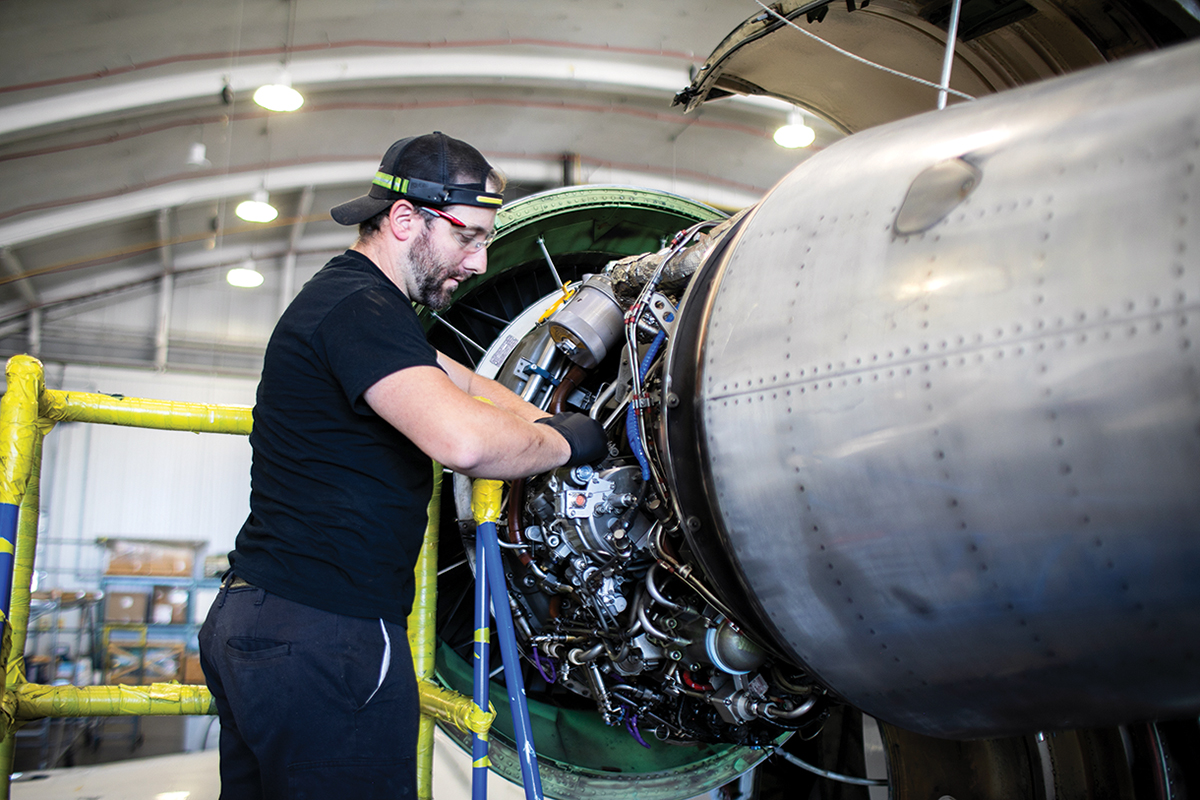
Ontario’s auto industry is currently operating in a period of significant global uncertainty, but Ontario’s commitment is unwavering. Ontario is working hard to rapidly grow its electric vehicle (EV) manufacturing ecosystem and support uptake and has attracted billions in investments from global automakers, parts suppliers and EV battery manufacturers. The government is deeply invested in the sector’s success and will continue to take every step necessary to protect and grow an industry that employed nearly 100,000 people in 2025, enhance economic resilience, secure domestic supply chains and position Ontario as a top-tier destination for long-term investment. Ontario is also supporting the broader supply chain by investing in Ontario’s auto workers and equipping them with the skills they need to secure rewarding, high-paying jobs.
To support the auto sector and further enhance its competitiveness, the government is investing $85 million in the Ontario Automotive Modernization Program (O-AMP) and the Ontario Vehicle Innovation Network (OVIN), as announced in the 2025 Budget.
OVIN supports regional technology development sites, research and development (R&D) partnerships and incubator projects for small and medium-sized enterprises (SMEs). The investments in O-AMP are helping to support Ontario’s automotive parts suppliers and SMEs in upgrading equipment and adopting new tools and technologies to innovate product lines and continue to modernize processes.
To help protect Ontario’s auto industry and workers and enhance its resiliency, Ontario is supporting strategic investments from automakers, parts suppliers and manufacturers of EV batteries and battery materials. Since 2020, Ontario has attracted billions of dollars in new investments that will help grow the auto sector and create thousands of jobs. This includes Asahi Kasei’s $1.6 billion manufacturing facility in Port Colborne to produce lithium-ion battery separators, a key component of EV batteries, expected to begin production in 2027. In addition, Vianode is investing $3.2 billion to build its first large-scale, North American synthetic graphite plant in St. Thomas.
Ontario and the federal government are also continuing to support EV and battery projects through their auto pact, which covers the $5 billion NextStar battery plant in Windsor and the $7 billion PowerCo battery cell plant in St. Thomas. Production of lithium-ion battery cells at the NextStar plant in Windsor began in 2025, while PowerCo is on track to bring its advanced battery technology to the North American market, with the gigafactory to serve as PowerCo’s third and largest project globally.
The government is also supporting Ontario’s auto sector by engaging with employers, training providers and regional partners to ensure that workers have the skills they need and are supported during career transitions. This includes aligning employment, training and apprenticeship programs through initiatives like POWER Centres, Better Jobs Ontario and Integrated Employment Services and addressing workforce and community pressures in places such as Windsor, St. Thomas, Oshawa, Brampton and Oakville.
Fostering Growth in Ontario’s Forest Sector
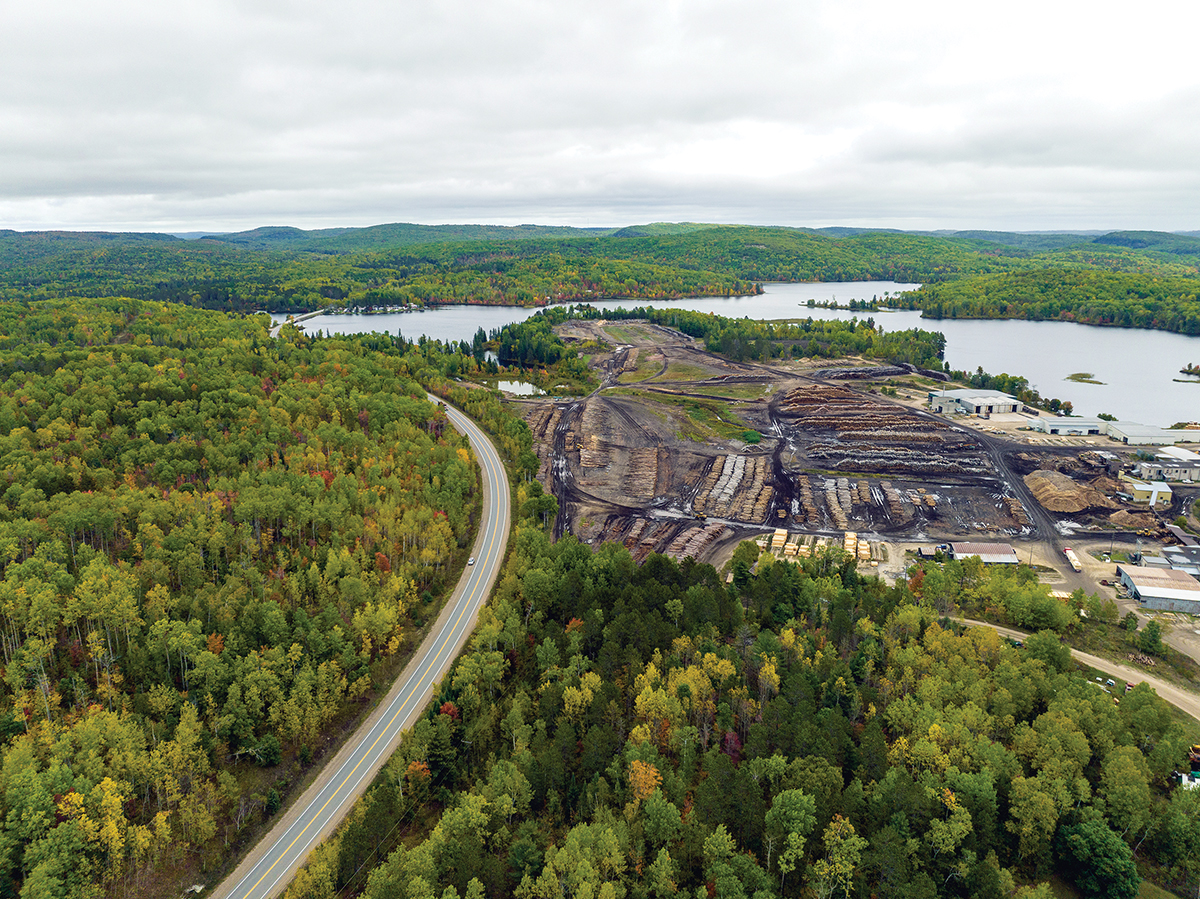
Ontario’s forestry sector is an important contributor to the province’s economy. The province is currently facing increased U.S. duties on softwood lumber exports that were announced in July 2025, as well as tariffs on timber, lumber and wood products that came into effect in October 2025.
In the face of these U.S. actions, the government has repeatedly stepped up to protect jobs and encourage economic growth in the forest industry, supporting Indigenous, Northern and rural communities that depend on the sector.
Supporting Innovation in Ontario’s Forest Sector
Ontario’s Forest Sector Investment and Innovation Program (FSIIP) supports the forest sector and brings more made-in-Ontario wood products to market. The FSIIP provides financial support for projects that improve productivity, increase innovation, support market expansion and strengthen regional economies and supply chains. The FSIIP contains two elements: the business projects stream which supports capital investment, and the collaboration projects stream.
Investing in Ontario’s Forest Biomass Program
In 2022, Ontario released the Forest Biomass Action Plan to create new opportunities in developing the untapped potential of forest biomass for forest sector growth. This includes the Forest Biomass Program, which continues to invest up to $20 million each year in projects that increase wood harvest, create opportunities and find new uses for wood in collaboration with stakeholders, industry and Indigenous communities.
The program supports initiatives that secure and increase long-term wood utilization across the province, with a focus on underutilized species and forest biomass. Across its four streams, this program helps to position Ontario as a leader in the growing circular and green economy. To date, the government has invested over $50 million under the Forest Biomass Program to support more than 55 projects since the program’s launch in 2023.
Developing Advanced Wood Construction in Ontario
Locally made mass timber and wood construction, known as advanced wood construction, can be used to build modular and prefabricated buildings, such as mid-rise and tall multi-family homes and a wide variety of commercial and industrial buildings. Advanced wood construction will help build more homes faster and create a more resilient forestry sector.
In June 2025, the government released the Advanced Wood Construction Action Plan, Ontario’s blueprint for education, research and investment to increase the manufacturing and use of high‑quality, made-in-Ontario wood building products. Ontario also launched a new working group in December 2025 to harness Ontario’s advanced wood construction expertise and guide the implementation of the Advanced Wood Construction Action Plan.
Supporting Workers Impacted by Tariffs
Ontario is helping to protect workers in the face of economic uncertainty with the Protect Ontario Workers Employment Response (POWER) Centres. Through partnerships with employers, unions, community organizations, municipalities, colleges and universities, the POWER Centres provide transition assistance, including targeted training referrals and access to Employment Ontario Programs, for workers affected by layoffs. The centres are typically set up by unions, employee or employer associations or municipalities, and can be launched proactively before a layoff has occurred. Last year, 10 of these centres were operational across Ontario, helping almost 15,000 workers with services and supports. Funding and cooperation to support POWER Centres is coming through the Canada–Ontario Tariff Response Initiative.
Helping Businesses Through the Deferral of Select Provincially Administered Taxes
From April 1 to October 1, 2025, Ontario provided immediate support to businesses through a six-month interest and penalty-free period for businesses that chose to defer payments under select provincially administered taxes.
The program has made up to $9 billion available in liquidity relief to approximately 80,000 businesses, offering near-term flexibility and enabling them to sustain operations. Relief applied to 10 business‑related tax programs, including the Employer Health Tax; Fuel Tax; Gasoline Tax; Mining Tax; and Beer, Wine and Spirits Tax. This initiative reduced short-term financial pressure during a period of economic uncertainty and helped businesses maintain liquidity and preserve jobs, thereby supporting Ontario’s priority to protect jobs and strengthen economic resilience.