The government is advancing the largest capital plan in Ontario’s history, with planned investments of more than $210 billion over 10 years beginning in 2026–27. By keeping shovels in the ground, investments in highways, transit and community infrastructure are supporting jobs, driving economic growth and building stronger communities across the province.
Building Highways
The costs of congestion are real. Time stuck in traffic is one of the least productive parts of people’s day-to-day lives. It keeps people away from their families and delays the movement of goods for businesses. The Canadian Centre for Economic Analysis estimates that the impact of congestion in Ontario was $56.4 billion in 2024. If congestion levels remain unchanged, the annual cost to Ontario could reach $108 billion by 2044.1
Building Highway 413
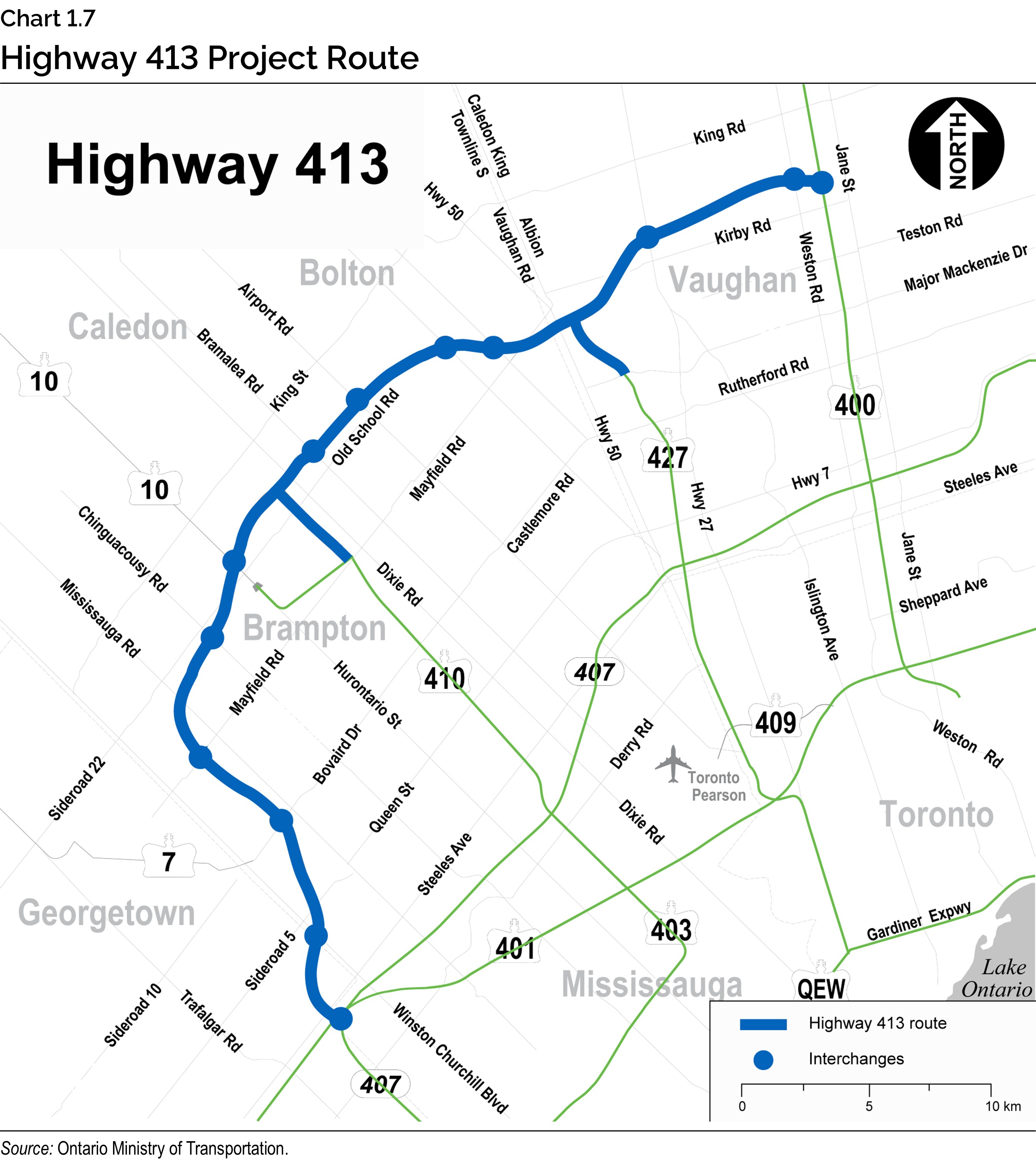
To solidify the province’s position as a leader in moving people and goods efficiently, Ontario has started construction on Highway 413, a new 52-kilometre, 400-series highway, to better connect the transportation network across Halton, Peel and York regions, and shorten travel times by up to 30 minutes per trip. The corridor will extend from Highway 400 in the east to the Highway 401/407 express toll route (ETR) interchange in the west. This will include a six-lane, 400-series highway and protection for a dedicated future transitway.
The province is delivering Highway 413 and advancing procurement and construction activities across the corridor. In September 2026, Ontario awarded a construction manager contract for the 9.1‑kilometre Highway 413 Central Extension, which will connect Highway 410 directly to the future Highway 413 corridor, and issued a notice of procurement for the design and construction of the eastern section of Highway 413 and the Highway 427 extension, representing approximately one‑third of the overall corridor. This progress builds on the major milestones that Ontario has reached for this project, including completion of the preliminary design and awarding the first two construction contracts to start construction of Highway 413.
The construction of the broader highway will support an average of 6,000 jobs per year and contribute up to $1 billion to Ontario’s annual gross domestic product (GDP).
Building Highway 425: Advancing Work on the Bradford Bypass
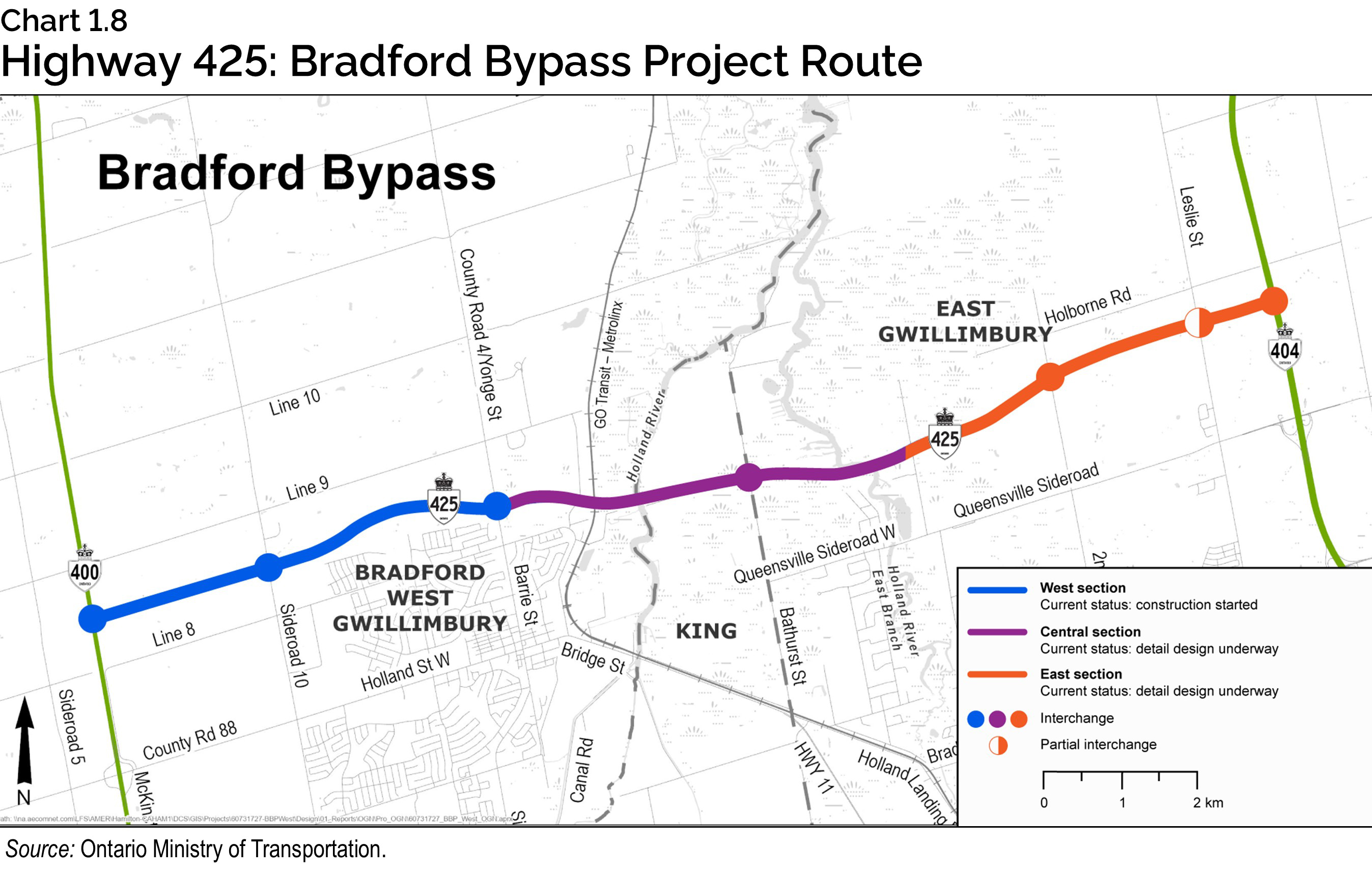
Ontario is helping prepare York Region and Simcoe County for rapid population growth by building the Bradford Bypass, which will be designated Highway 425 upon completion. The new 16‑kilometre, four-lane highway will connect Highways 400 and 404, relieve gridlock, save commuters time and keep goods moving across the Greater Golden Horseshoe (GGH).
In May 2026, Ontario reached a significant milestone by beginning major construction on the west section of the Bradford Bypass. The province has completed tree clearing along the west section and built a temporary detour at 10 Sideroad to support construction of the new bridge and interchange. Crews have now broken ground at 10 Sideroad and are advancing construction of the divided highway between Highway 400 and west of Artesian Industrial Parkway. Work includes building interchanges at 10 Sideroad and County Road 4, replacing the bridge at Highway 400 and Line 9, and constructing a new freeway-to-freeway interchange connecting the Bradford Bypass to Highway 400.
Once complete, the Bradford Bypass will save drivers an estimated 35 minutes of travel time compared to using local roads. During construction, the project is expected to create up to 2,200 jobs per year and contribute up to $286 million to the province’s GDP.
Building the Highway 401 Tunnel Expressway
The government is exploring innovative options to tackle congestion. This is why the government is undertaking a feasibility study of a new vehicle and transit tunnel expressway under Highway 401.
The study is reviewing tunnelling options to increase Highway 401 capacity, along with complementary approaches for congestion relief. The study will analyze the economic benefits both in the short and long term, as well as the project’s impact on reducing congestion.
Building Highway 7
Construction of the new Highway 7 between Kitchener and Guelph will provide relief to the gridlocked Highway 401 and connect the fast‐growing urban centres of Kitchener, Waterloo and Guelph. The government is advancing this project by initiating the replacement of the Frederick Street Bridge in Kitchener, as well as environmental fieldwork and other engineering work to support construction of the remainder of the corridor.
In addition, the province is undertaking planning and design work for the easterly expansion of Highway 7 from two to four lanes, from west of Reesor Road in Markham to Brock Road in Pickering, to support the development of the City of Pickering’s Innovation Corridor. Highway 7 will therefore become a continuous four-lane highway from Markham to Pickering that supports the movement of goods and people in the region.
Improving Highway 3
The government has started construction to expand Highway 3 in St. Thomas, marking another milestone in its plan to protect Ontario by improving road safety and increasing access to good‑paying jobs.
The Highway 3 expansion project will provide a critical link to Volkswagen’s new PowerCo electric vehicle (EV) gigafactory, currently under construction. The Volkswagen plant will create thousands of good-paying jobs for workers in Ontario’s automotive sector, supporting the province’s supply chain and broader economy.
Uploading the Gardiner Expressway and Don Valley Parkway
As part of the ongoing implementation of the provincial government’s historic New Deal for Toronto, Ontario will upload ownership and maintenance of the Gardiner Expressway and Don Valley Parkway (DVP) effective fall 2027. This marks a major milestone in the province’s plan to fight gridlock, keep people and goods moving across the Greater Toronto Area (GTA) and ensure these vital highways remain safe, reliable, toll-free and in good repair. To support the transition, the province is providing up to $353 million to the City of Toronto to continue operating and maintaining both highways until the transfer is complete. During this transition, the province will help guide capital decisions to ensure that work on both highways aligns with applicable provincial standards.
Since the New Deal for Toronto was announced in November 2023, the provincial government has provided over $431 million in financial support for the City of Toronto to maintain and repair the two highways. This included $73 million to accelerate repairs on the Gardiner Expressway, which led to the completion of repairs more than 18 months ahead of schedule. Accelerating repairs on the Gardiner Expressway saved Ontario’s economy $273 million and is continuing to save up to 22 minutes per trip for the 140,000 drivers who use the highway each day.
The upload of the Gardiner Expressway and DVP will reduce financial pressures on the City of Toronto while supporting the province’s broader plan to fight gridlock, strengthen key economic corridors and keep drivers moving across the GTA and beyond.
Building Highways for Northern Ontario
The government is investing in highways in the North to improve road safety, connect communities, and unlock economic opportunities. Projects include the following:
- Advancing the replacement of the Little Current Swing Bridge on Highway 6 in the Town of Northeastern Manitoulin and the Islands. In September 2026, Ontario awarded a construction manager contract to support the design of a new two-lane bridge that will support local jobs, and provide reliable year-round access to the provincial highway network for residents, businesses and visitors;
- Improving passing opportunities on highways in Northeastern Ontario through innovative designs such as 2+1 highways, which feature alternating centre passing lanes every two to five kilometres;
- Expanding Highway 11/17 from two to four lanes between Thunder Bay and Nipigon, including two new sections that opened to traffic in fall 2025: Highway 587 to Pearl Lake for 14.4 kilometres, and Highway 582 to Coughlin Road for 8.3 kilometres. These two projects are part of a larger series of projects designed to widen the highway between Thunder Bay and Nipigon by more than 100 kilometres. In September 2026, the province started construction to widen five kilometres of Highway 11/17 from McGuire Road to Coughlin Road, marking another milestone in the province’s plan to improve road safety and support economic growth in Northern Ontario by twinning more than 107 kilometres of the Trans-Canada Highway between Thunder Bay and Nipigon;
- Widening Highway 17 between Kenora and the Manitoba border from two to four lanes for approximately 40 kilometres. In June 2026, the government also began rehabilitating a 16.8‑kilometre section of Highway 17 between Echo Bay and Highway 548, including resurfacing the highway and rehabilitating or replacing several bridges and culverts. These improvements will enhance safety and strengthen a key section of the Trans-Canada Highway in Northern Ontario;
- Building a new permanent bridge across the Berens River, in partnership with the Whitefeather Forest Community Resource Management Authority, Pikangikum First Nation and the Government of Canada. The project will provide year-round access to Pikangikum First Nation and eliminate the need for a winter road river crossing for other remote First Nation communities north of Red Lake;
- Investing $81.3 million in the Geraldton Main Street Rehabilitation Project, a critical road infrastructure project in the Municipality of Greenstone that will be the gateway to the Ring of Fire;
- Advancing the widening of Highway 69 between Parry Sound and Sudbury from two to four lanes by introducing legislation to speed up permitting and approvals and get shovels in the ground up to five years earlier; and
- Supporting ongoing partnerships with First Nations to build and improve highway infrastructure that will help connect more First Nation communities to the province’s highway network. This work includes maintenance and upgrades to Highway 584 and Highway 11.
Recently Completed Highway Projects
Northern
- Resurfacing Highway 72 from Highway 17 northerly to 3 kilometres north of Kathlyn Lake Road, south of Sioux Lookout;
- Replacement of the Lyon Creek Culvert No. 1, east of Emo on Highway 602;
- Highway 17 hazard rock removal, west of Schreiber and the Terrace Bay municipality limit;
- Replacement of the Ontario Northland Railway (ONR) Bridge on Highway 11 at Earlton;
- Resurfacing and paving shoulders of a section of Highway 11, Englehart River Bridge northerly to Highway 112, Englehart, including replacement of the Crocodile Creek Culvert; and
- Resurfacing of a section of Highway 129, Highway 17 to Highway 554, Wharncliffe.
Eastern
- Highway 401 eastbound/westbound, west of Moulinette Road to east of Boundary Road, resurfacing of structural and non-structural culverts;
- Highway 417 Ottawa Midtown Bridge replacements (Bronson, Preston, Percy, Rochester, Booth) and noise barriers; and
- Highway 35, new maintenance patrol yard at Glenarm Road.
Southwestern
- Highway 401 and Highway 403 Bridge rehabilitations, Foldens Line (Oxford Road 6) underpass, Dodge Line underpass, Garden Avenue underpass, Johnson Road underpass, in Oxford County and County of Brant;
- Highway 401 Bridge replacement, Roseville Road overpass, Regional Municipality of Waterloo; and
- Highway 403, intersection and safety improvements, 2.1 kilometres west of Rest Acres Road to Garden Avenue, Brantford.
Central
- Queen Elizabeth Way (QEW)/Burlington Bay James N. Allan Skyway Niagara-bound structure rehabilitation;
- Advanced Highway 413 Contract: Highway 10 resurfacing from Highway 410 to 0.7 kilometres south of Peel Regional Road 11 (Forks of the Credit Road);
- Highway 404 from 0.5 kilometres north of Stouffville Road to Mulock Drive, including rehabilitation of Canadian National Railway (CNR) overpasses;
- Highway 410 and Derry Road structural rehabilitation;
- QEW rehabilitation from Central Avenue to Gilmore Road; and
- Rehabilitation of Highway 403/King Road underpass bridge.
Raising Speed Limits on Provincial Highways
The government delivered on its promise to raise speed limits to 110 km/hr on nearly 90 per cent of the provincial highway network by the end of September 2026, so Ontario drivers can get where they need to go safely and quickly. This change builds on the safe and successful increase to speeds on 10 sections of provincial highways in 2024 and six sections of provincial highways in 2022, aligning with posted speed limits in other jurisdictions across Canada.
With this new speed limit in place, drivers travelling from Sarnia to Toronto are saving nearly 20 minutes, while those travelling from Toronto to Ottawa are saving nearly half an hour. Speed limit increases are implemented only on highways that have been designed and engineered to safely accommodate higher speeds following rigorous technical reviews and infrastructure improvements.
Restoring Vehicle Lanes on Toronto’s Busiest Streets
In September 2026, Ontario announced the next phase of its plan to fight gridlock by issuing a Request for Proposals (RFP) for the detail design of end-to-end roadway reconfigurations on key Toronto corridors, including sections of Bloor Street, Yonge Street, University Avenue, Queen’s Park, Queen’s Park Crescent and Avenue Road. To get drivers moving quickly, following a recent Ontario Court of Appeal ruling, the province also immediately began restoring motor vehicle lanes on Bloor Street West, building on lane restoration work completed in December 2025.
This will help improve traffic flow and reduce congestion on some of the city’s busiest streets, while identifying options to retain or reconfigure cycling infrastructure where it makes sense and does not make gridlock worse, in line with Ontario’s commitment to keep people and goods moving efficiently and save valuable time for commuters.
Building Transit
Historic transit investment has not kept up with growth, which is why the government is leading the largest expansion of public transit in North America. Building transit alongside new roads and highways is vital to support the province’s economy and connect more people to jobs and housing.
Expanding GO Transit Services
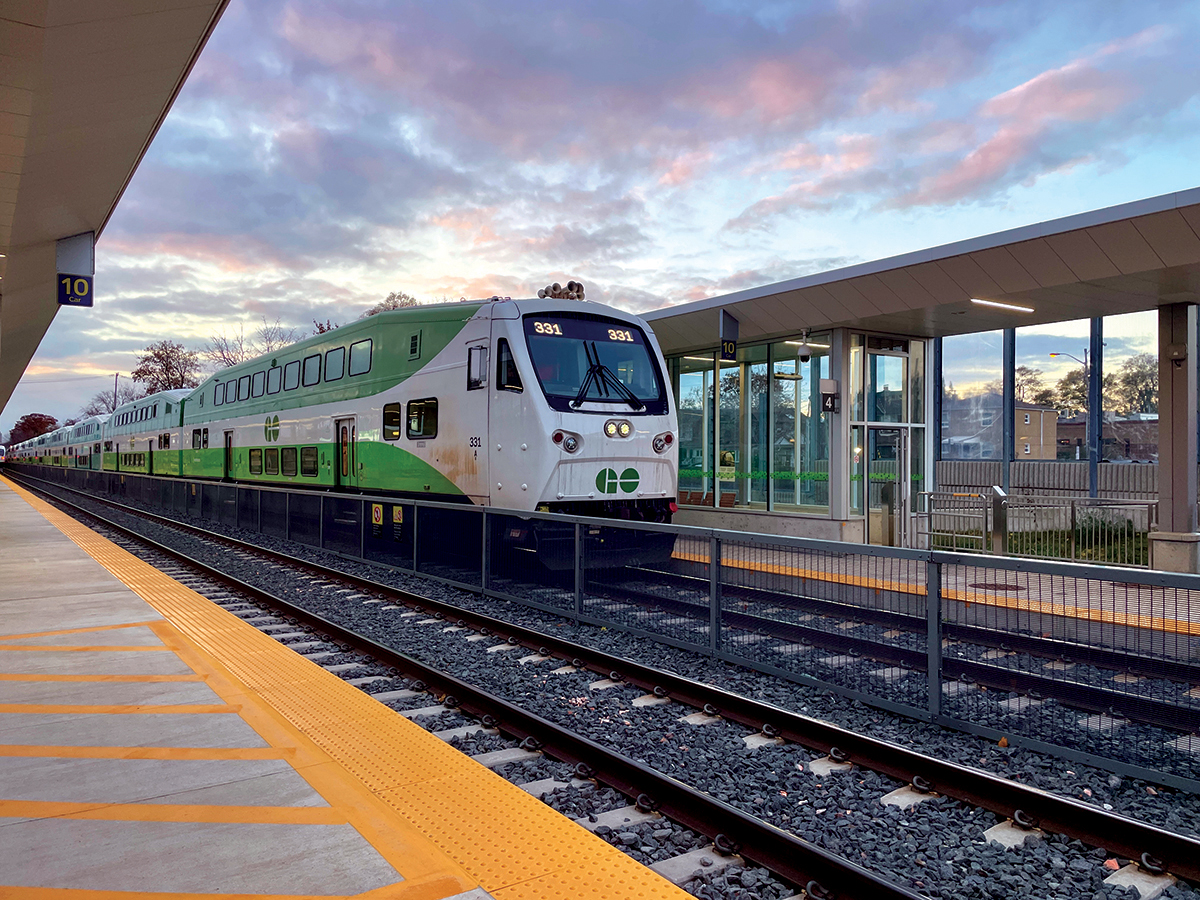
To better connect growing communities across the GGH, the government is continuing to expand, integrate and build better GO train and GO bus services to make it easier and faster for people to get where they need to go. The government continues to deliver on GO Expansion, with Metrolinx rolling out incremental service increases, building new GO infrastructure, including new stations, and improving passenger and train capacity at Union Station.
- Bowmanville GO Extension: In January 2026, the province announced that it had broken ground on GO Transit’s Bowmanville Extension. The project will extend the Lakeshore East GO line 18.7 kilometres into Durham Region, accommodating 17,000 daily trips and 4.9 million boardings annually by 2041. Once complete, the Bowmanville Extension will deliver two-way, all‑day service, saving commuters time and money, while bringing families closer to housing and putting 10,400 jobs within walking distance of transit.
- Kitchener GO Extension: In July 2026, GO Transit service was extended to Stratford, providing daily, year-round service on the Kitchener Line following an agreement between Ontario and VIA Rail. This significant milestone advances Ontario’s plan to connect more people to jobs, education and tourism. This builds on previous milestones for the Kitchener GO Extension, including the October 2025 agreement-in-principle with CN Rail to purchase land to construct dedicated GO tracks on the Kitchener Line. This also follows additional GO train service that was added to the Kitchener Line in November 2025, including 18 new weekend trips between Bramalea GO and Union Station, as well as the first-ever weekend service to Kitchener.
- Grimsby GO Station: Also in July 2026, Ontario began construction of the new Grimsby GO Station on the Lakeshore West line. The new station will feature a standardized design that helps to reduce construction costs, accelerate delivery timelines and provide a repeatable model for future GO Transit station projects. Once complete, the station will include a rail platform, approximately 220 parking spaces, a bus loop, and dedicated pick-up and drop-off areas, improving transit access for local residents and supporting future service expansion along the Lakeshore West corridor.
- Durham College Oshawa GO Station: In August 2026, Ontario started major construction to expand the Durham College Oshawa GO Station, marking another milestone in the province’s plan to deliver faster, more frequent transit across Durham Region. The project includes the construction of two additional rail tracks to support future two-way, all-day service on the Lakeshore East line, along with infrastructure to support future electrification. Additional upgrades include a new north platform, an extended south platform, new pedestrian bridges and a redesigned bus loop to improve accessibility and increase station capacity. The project will help reduce gridlock, connect more people to housing, jobs and educational opportunities, and support future service growth, including the Bowmanville GO Extension.
- Woodbine GO: In September 2026, Ontario reached another significant milestone with the start of major construction at Woodbine GO Station. Crews are now building station platforms that will connect thousands of daily riders to the Kitchener GO Line, Union Pearson (UP) Express and transit services across the Greater Toronto and Hamilton Area (GTHA). The construction builds on early works completed over the past year, including site clearing, grading and excavation work, as well as the completion of a temporary track separation and two access bridges. Once complete, the new Woodbine GO Station will include island platforms serving GO Transit and UP Express trains, a bus loop connecting riders to local transit, dedicated GO parking, pedestrian bridges and fully accessible, barrier-free facilities. The project is expected to create over 300 good-paying jobs, and as part of its agreement with the provincial government, Woodbine Entertainment Group is providing up to $170 million to support the construction of the new station.
- Bloor GO/UP Station: In July 2026, Ontario completed major upgrades at Bloor GO/UP Station, marking another milestone in the province’s plan to deliver faster, more reliable transit across the GTA. The project includes 2.5 kilometres of new GO rail track, expanding the corridor to four tracks between Dupont Street and Lansdowne Avenue and supporting future capacity increases on the Kitchener Line. These upgrades will improve connectivity at one of Toronto’s busiest transit hubs, linking GO Transit, UP Express, and the Toronto Transit Commission (TTC) while supporting increased service and accommodating future growth.
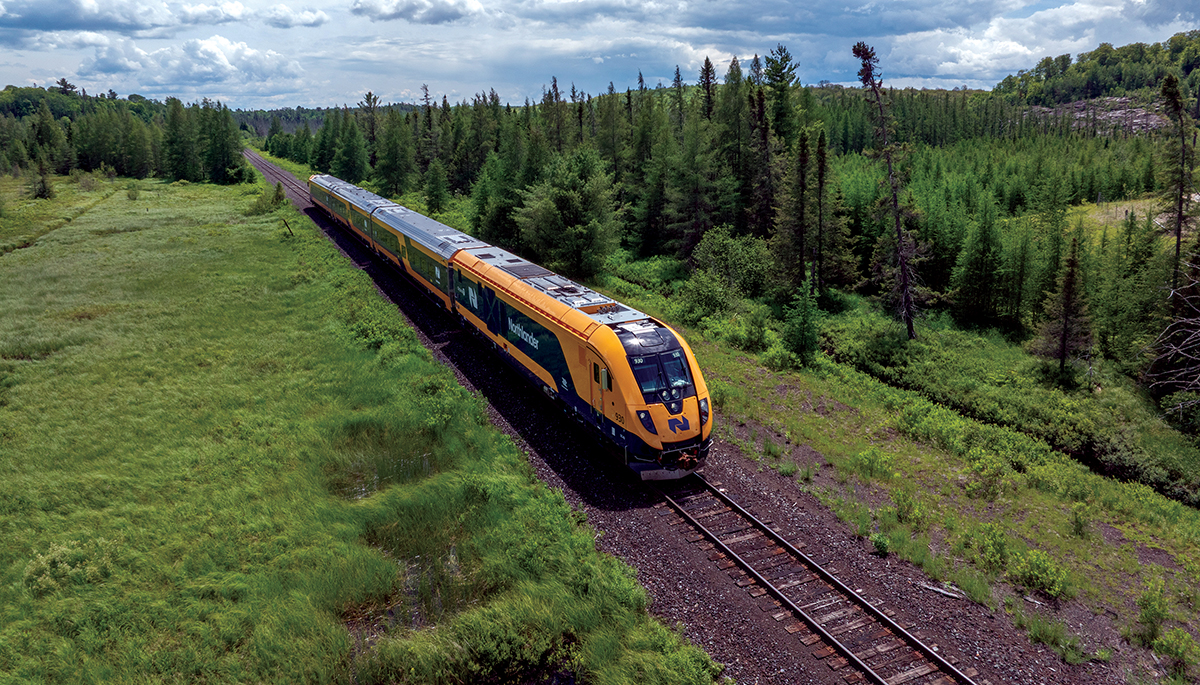
Bringing Back the Northlander
The government is investing more than $100 million in rail infrastructure to support the return of Northlander passenger rail service to Northeastern Ontario. Work is underway along the corridor, including joint elimination, curve adjustments and improvements at rail crossings to deliver a smoother ride, enhance comfort and safety and reduce travel times for passengers. The Northlander will span more than 800 kilometres between Toronto and Cochrane, for a total of 16 stops, and is part of the government’s work to protect Ontario’s economy by connecting Northern communities, creating good-paying jobs, supporting local industries and driving economic growth across the North.
In 2026, the province completed the acquisition of more than 200 kilometres of rail corridor from CN, between North Bay and Washago, a key milestone in restoring Northlander passenger service. The project has entered a critical testing and commissioning phase, including revenue service demonstration testing along the full corridor from Timmins and Cochrane to Toronto, as the province prepares the service for launch.
In May 2026, the province launched a framework to improve first- and last-mile connections for passengers. This will support access to the Northlander by expanding rideshare options in communities along the corridor between Gravenhurst and Cochrane, as well as in Greater Sudbury.
The rideshare framework will provide the tools to support local rideshare services, while helping inform a future provincewide approach.
Building Subways
Work is underway on Ontario’s priority subway projects. The government is closer to providing better travel options, alleviating gridlock on roads and creating thousands of good, local jobs.
- Ontario Line: In April 2026, the government officially started tunnelling the Ontario Line at the Exhibition tunnel launch shaft site. Two tunnel boring machines are digging twin tunnels as deep as 40 metres below the surface from Exhibition Station toward the Don Yard near the Don Valley Parkway and Lakeshore Boulevard. At the Don Yard, Ontario Line trains will emerge from the tunnels and continue east above ground across the Lower Don Bridge. Once complete, the 15.6‑kilometre Ontario Line will run from Exhibition Place to the Eglinton Crosstown Light Rail Transit (LRT) at Don Mills Road, with 15 stations and more than 40 transit connections. This will put nearly 230,000 people within walking distance of modern rapid transit while connecting more people to jobs, relieving gridlock and cutting travel times across the GTA.
- Yonge North Subway Extension: In July 2026, Ontario completed excavation of the tunnel launch shaft for the Yonge North Subway Extension, marking a major construction milestone in the province’s plan to expand access to fast, affordable and reliable public transit across the GTA. The launch shaft will serve as the starting point for two tunnel boring machines that will excavate the extension’s twin tunnels. Once complete, the extension will bring TTC Line 1 service nearly eight kilometres north into Markham, Richmond Hill and Vaughan, add five new stations, support approximately 94,000 daily riders and put nearly 23,000 jobs within walking distance of transit. Construction of the project is expected to support 4,300 jobs annually while improving connections to housing, employment and regional transit services.
- Scarborough Subway Extension: In July 2026, major construction work began on the second of three stations for the Scarborough Subway Extension, marking another significant milestone in the province’s plan to fight gridlock and bring rapid transit to tens of thousands of commuters across the GTA. Crews have started piling and excavation work for the new station, which will provide a direct subway connection to Scarborough General Hospital. Once complete, the Scarborough Subway Extension is expected to bring 38,000 people within walking distance of transit, support approximately 105,000 daily trips, and connect residents to jobs, health care and other essential destinations across Toronto.
- Proposed Sheppard Subway Extension: The government is advancing analysis on options to extend rapid transit both east and west of the existing TTC Line 4, which would improve transit connections in Toronto’s north end and make it easier and faster for people to get around Toronto and the GTA.
Building Light Rail Transit
The government is bringing fast, reliable transit projects to the people of Ontario to help reduce travel times and create more transit options.
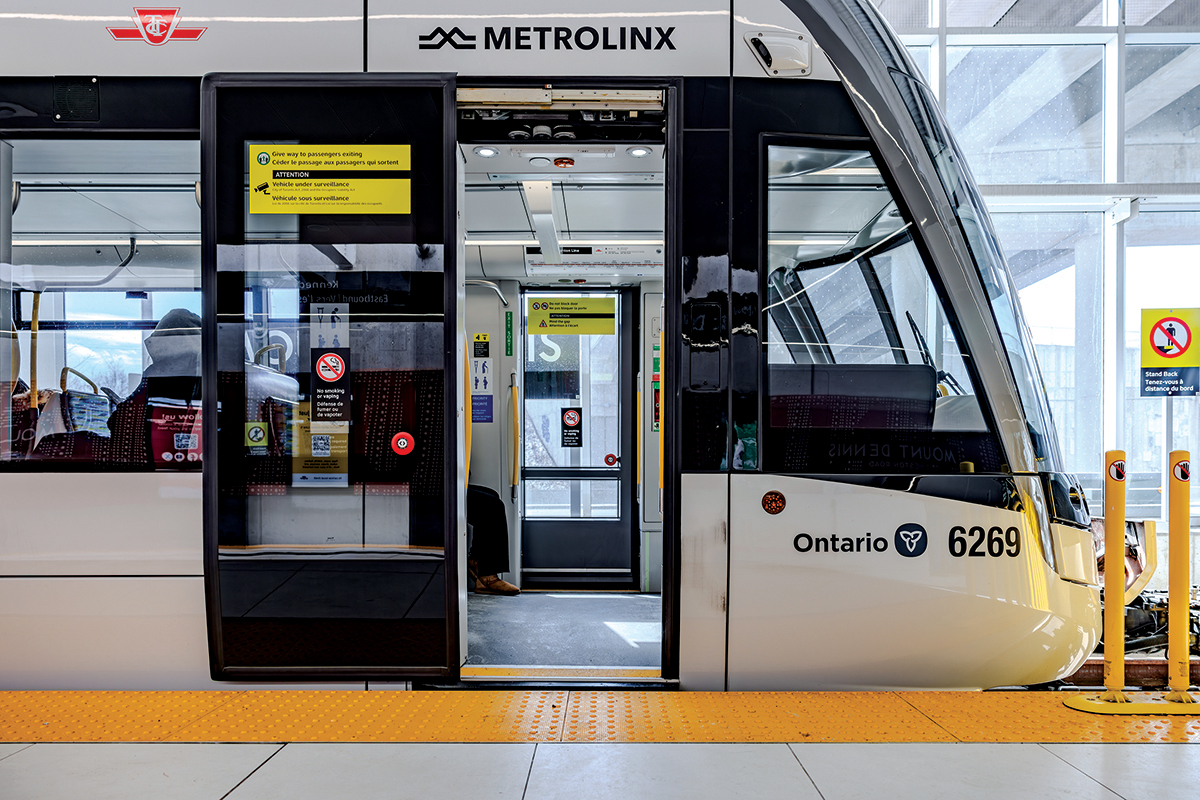
- Finch West LRT: In December 2025, the Finch West LRT officially opened, servicing 18 stops across 10 kilometres of rail along Finch Avenue West from Keele Street to Highway 27 and south to the Humber College North Campus. The new Line 6 Finch West will move more than 51,000 riders each weekday. It supports connections with other TTC lines, as well as connections to local transit services in Peel and York regions.
- Hazel McCallion Line LRT: The 18-kilometre Hazel McCallion Line LRT will provide key connections with GO stations at Port Credit and Cooksville, the Mississauga Transitway, Square One GO Bus Terminal, Brampton Gateway Terminal, and key Brampton Transit, Züm and MiWay routes. Construction of the Hazel McCallion Line LRT continues to advance across the corridor, with progress on stations, guideway infrastructure, trackwork and systems installation. In June 2026, the project reached a significant milestone as the overhead catenary system at the Operations, Maintenance and Storage Facility (OMSF) was energized and initial low-speed testing of the Light Rail Vehicles (LRVs) began in the operating yard. Ontario is also advancing the study of the Hazel McCallion Line LRT extensions into downtown Mississauga and Brampton.
- Hamilton LRT: In April 2026, Ontario awarded the first package of civil and utility work for the Hamilton LRT. This contract includes preparatory work along the LRT route, including utility relocations, grade separations, road reconstruction and upgraded sidewalks and traffic control systems. The contract will also advance design work to replace the bridge over Highway 403, build a new LRT underpass beneath the Canadian Pacific Kansas City (CPKC) Hamilton Subdivision near Gage Avenue and improve the Queenston Road bridge over the Red Hill Valley Parkway. The 14‑kilometre LRT will strengthen the local economy by creating approximately 6,000 jobs annually during construction and up to 1,000 permanent jobs to support operations and maintenance.
Investing in New Subway Cars
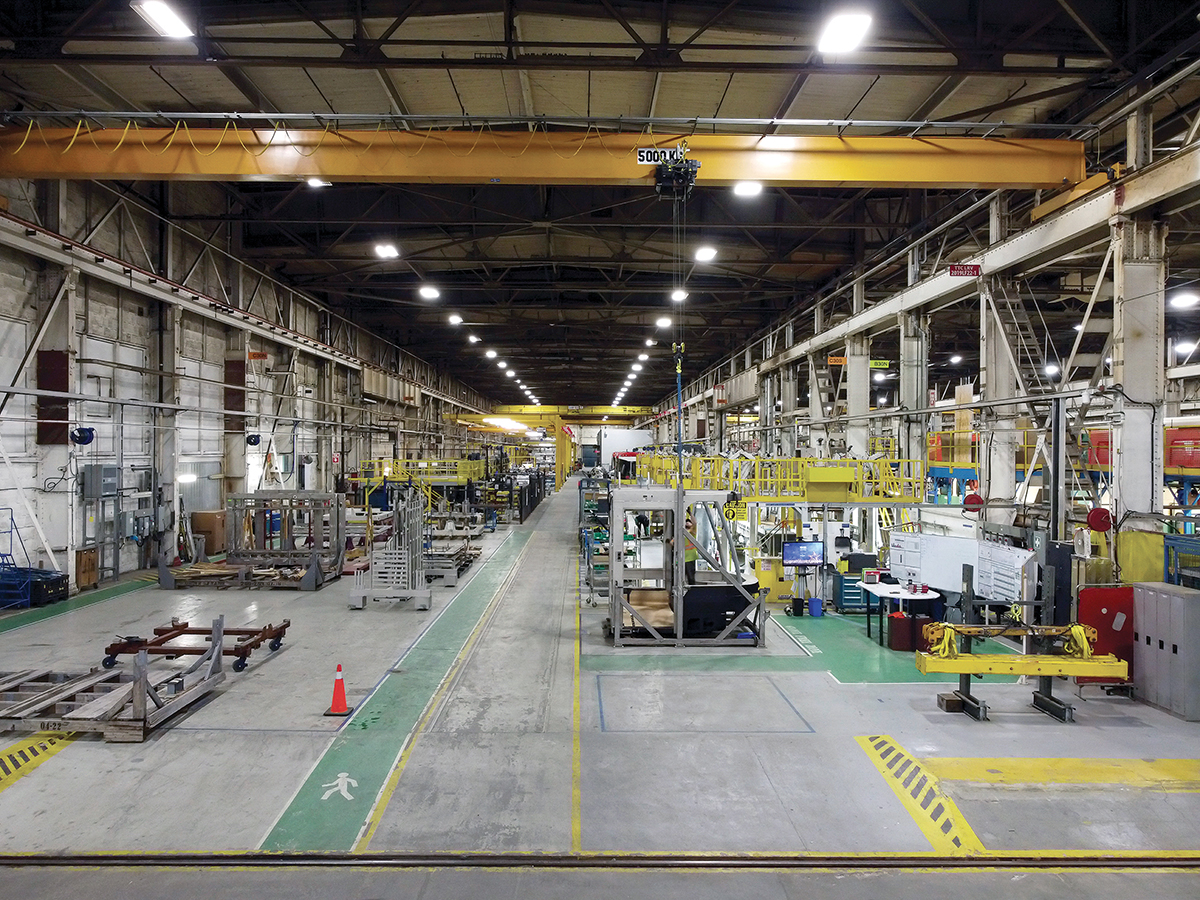
Ontario has partnered with the federal government to increase the Canadian content in the 55 new subway trains for Toronto’s Line 2 to 55 per cent. This will ensure Ontario tax dollars support Ontario companies in tariff-hit sectors such as steel and aluminum. This decision furthers the government’s ongoing work to support a strong manufacturing sector in Ontario that will help the province withstand growing geopolitical and economic uncertainty around the world.
The increase in Canadian content to 55 per cent has led to an increased total provincial investment of nearly $1 billion, which will be matched by the Government of Canada to contribute to the City of Toronto’s purchase of the new subway trains.
Funding for this project will support 946 good-paying Canadian jobs, including 285 at Alstom’s Ontario facilities, with 240 in Thunder Bay, 15 in Kingston and 30 in Toronto. The current 30‑year‑old Line 2 trains are nearing the end of their expected life, which would significantly increase costs to maintain safety if they continue in operation.
Investing in Transit in Rural Communities
Ontario is doubling its investment in the Ontario Transit Investment Fund (OTIF) to $30 million over three years to support the startup and growth of transit services in rural communities. In September 2026, the province announced nearly $16 million in funding for five additional projects benefiting 30 communities, including expanded transit services in South Temiskaming, Waterloo Region and Bradford West Gwillimbury, accessible transportation connections in Northwestern Ontario, and a new shuttle service connecting GO stations and key destinations in Niagara Region. This additional investment will help to provide safe, reliable transit services in unserved and underserved parts of the province, driving economic growth and connecting more people to communities, jobs and housing.
Advancing Infrastructure Projects with the Building Ontario Fund
The Building Ontario Fund (BOF) continues to advance critical infrastructure projects across Ontario by partnering with Canadian institutional investors to invest in projects in the priority areas of energy, affordable housing, long-term care, transportation, municipal and Indigenous community infrastructure, and critical minerals that serve the public interest.
BOF has invested in more new projects that add to Ontario’s housing capacity and support affordability, including:
- An up to $178 million investment, in partnership with Republic Developments and Harlo Capital, to support the construction of approximately 1,700 rental homes in Scarborough. The project will help advance the development of the Scarborough Junction transit-connected community and increase housing supply in the rapidly growing region; and
- A $100 million investment, in partnership with Trent University, Healthcare of Ontario Pension Plan and Knightstone Capital Management, to support the development of two new student residences and new academic spaces in Peterborough. The project will add 1,400 student beds, helping to expand Trent’s accessible and supportive living environment, while easing pressure on the local rental market.
Investing in the Community Sport and Recreation Infrastructure Fund
In the 2026 Ontario Budget, Ontario announced an additional $300 million investment in the Community Sport and Recreation Infrastructure Fund (CSRIF) to help build and upgrade sport and recreation facilities across the province, for a total of $500 million. CSRIF funding is available to municipalities, Indigenous communities and organizations, non-profit organizations, and (for new builds only) for-profit organizations.
CSRIF supports the construction, expansion and repair of sport and recreation facilities across Ontario, helping communities build and revitalize spaces that promote active, healthy living, create good-paying jobs, strengthen local economies and expand access to recreational opportunities. Recent investments include:
- $19.5 million for the new Cambridge Recreation Complex;
- $9.1 million to support the renewal of the W.J. Henderson Community Centre in Loyalist Township; and
- $6.3 million for a new multi-season covered outdoor arena in Curve Lake First Nation.
Renewing Critical Public Infrastructure
To protect Ontario’s economy and support jobs across the province, the government is investing an additional $110 million in 2026–27 to maintain and renew existing public infrastructure assets. This investment is expected to support more than 268 projects across 66 communities, primarily benefiting small and medium-sized construction businesses, with most projects located outside the GTA. The investment is also expected to support approximately 600 jobs in 2026–27.
The funding will help maintain the condition and reliability of critical public infrastructure, reduce asset risks and support the continued delivery of essential provincial services. Projects will include improvements to facilities such as courthouses, correctional facilities, Ontario Provincial Police detachments, provincial schools and government office buildings that serve communities across Ontario.
Chart Descriptions
Chart 1.7: Highway 413 Project Route
Map showing the Highway 413 project, which includes the 52-kilometre (km) Highway 413 corridor, a 4 km extension to Highway 410, and a 3 km extension to Highway 427 (both facilitating connection to the Highway 413 corridor), for a total of 59 km of new infrastructure. Once completed, it will extend from Highway 400, between King Road and Kirby Road, to the 401/407 Express Toll Route (ETR) interchange in Mississauga, Milton and Halton Hills. The highway will have 11 interchanges at municipal roads. A legend identifies the Highway 413 route and interchanges. A north arrow is included.
Source: Ontario Ministry of Transportation.
Chart 1.8: Highway 425: Bradford Bypass Project Route
Map of the Highway 425 corridor, the Bradford Bypass, showing the project divided into three sections: West, Central, and East. The proposed highway extends east-west between a freeway-to-freeway interchange with Highway 400 in Bradford West Gwillimbury and a freeway-to-freeway interchange with Highway 404 in East Gwillimbury. The map identifies proposed full interchanges at Sideroad 10, County Road 4 (Yonge Street), Bathurst Street, and 2nd Concession Road, as well as a partial interchange at Leslie Street. A legend identifies the Bradford Bypass alignment, section boundaries, structures, railways, and interchanges. A north arrow is included.
Source: Ontario Ministry of Transportation.
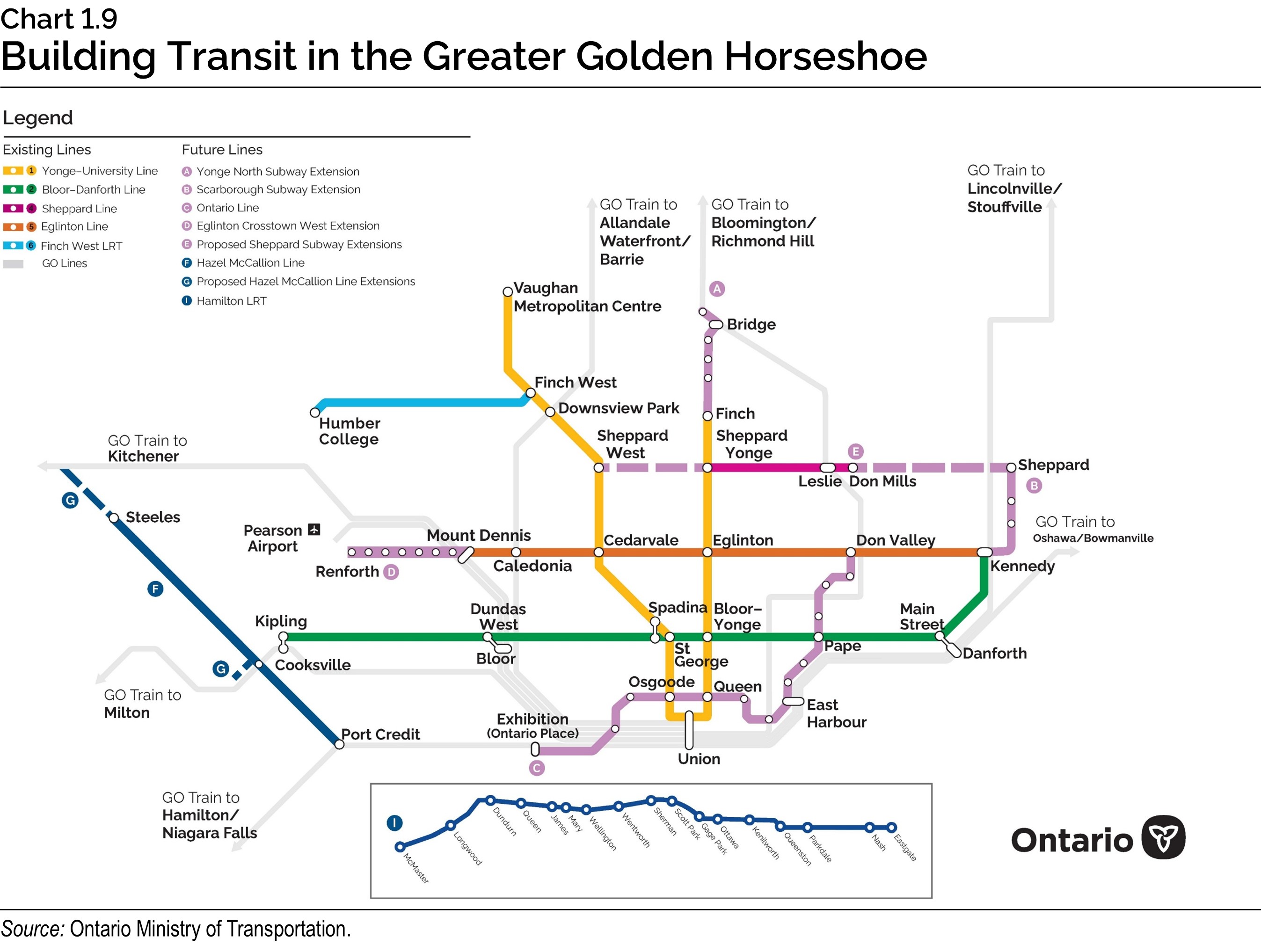
Chart 1.9: Building Transit in the Greater Golden Horseshoe
The image shows a map of current and proposed major transit projects throughout the Greater Golden Horseshoe area.
Source: Ontario Ministry of Transportation.
Footnotes
[1] Canadian Centre for Economic Analysis (CANCEA), “Impact of Congestion in the GTHA and Ontario: Economic and Social Risks,” Research Report (December 2024), https://www.cancea.ca/index.php/2024/12/09/impact-of-congestion-in-the-GTHA-and-ontario-economic-and-social-risks/